The Craft of Handcrafted Leather Bags
- terraandtann
- Nov 22, 2025
- 3 min read
Leather bags represent more than just utility. They embody tradition, skill, and style. I explore the craft behind these timeless accessories. I focus on the process, materials, and design that define quality leather bags. This post highlights why investing in a leather bag means choosing durability and elegance.
Understanding Craftsmanship in Leather Bags
Craftsmanship in leather bags starts with selecting the right leather. Full-grain leather offers strength and ages beautifully. It shows natural marks and develops a unique patina over time. Vegetable-tanned leather is preferred for its eco-friendly process and rich color.
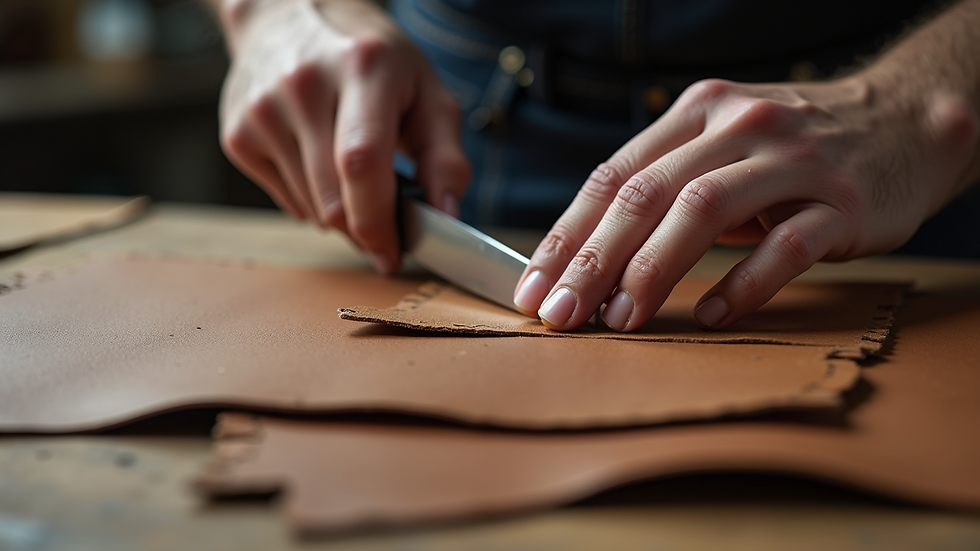
Next comes cutting. Precision is key. Each piece must fit perfectly to ensure durability and aesthetics. Skilled artisans use sharp tools and templates to cut leather with minimal waste.
Stitching follows. Hand-stitching is a hallmark of quality. It uses strong thread and precise techniques. This method outlasts machine stitching and adds character to the bag. Double stitching and saddle stitching are common techniques.
Hardware selection matters. Buckles, zippers, and rivets must complement the leather and withstand wear. Brass and stainless steel are popular choices for their strength and resistance to corrosion.
Finally, finishing touches complete the bag. Edges are burnished for smoothness. Leather is conditioned to maintain suppleness. Every detail reflects the artisan’s commitment to excellence.
The Role of Design in Craftsmanship in Leather Bags
Design shapes the bag’s function and style. It balances form and utility. A well-designed bag meets daily needs while making a statement.
I look for clean lines and thoughtful compartments. Pockets should be accessible and secure. Straps must be comfortable and adjustable. The bag’s size should suit its purpose, whether for work, travel, or casual use.
Color and texture influence appeal. Classic shades like tan, black, and brown remain popular. They match various outfits and occasions. Textured leather adds depth and uniqueness.
Simplicity often wins. Minimalist designs highlight the leather’s natural beauty. Avoiding excessive embellishments keeps the bag timeless.
Design also considers sustainability. Using durable materials and repairable construction extends the bag’s life. This approach aligns with responsible fashion.

Materials and Tools That Define Quality
Quality materials form the foundation of craftsmanship. I prioritize full-grain leather for its toughness and character. Split leather or bonded leather lacks durability and ages poorly.
Thread quality affects longevity. Waxed polyester or nylon threads resist fraying and moisture. They hold stitches tight under stress.
Tools shape the artisan’s work. Sharp knives and rotary cutters ensure clean cuts. Stitching awls and needles enable precise hand-stitching. Edge bevelers and burnishers refine the finish.
Using the right tools reduces errors and speeds production without sacrificing quality. Skilled hands bring these tools to life.
Why Choose Handcrafted Leather Bags
Choosing handcrafted leather bags means investing in a product built to last. Mass-produced bags often use lower-grade materials and shortcuts. They wear out quickly and lose appeal.
Handcrafted bags offer:
Durability: Strong stitching and quality leather resist daily wear.
Uniqueness: Each bag has subtle variations, making it one of a kind.
Repairability: Artisans can fix and restore bags, extending their life.
Timeless style: Classic designs remain fashionable across seasons.
These benefits justify the higher price. A handcrafted leather bag becomes a trusted companion, improving with age.
Caring for Your Leather Bag
Proper care preserves your bag’s beauty and function. Follow these steps:
Clean regularly: Use a soft cloth to remove dust. Avoid water or harsh chemicals.
Condition leather: Apply a leather conditioner every few months to keep it supple.
Store properly: Keep bags in a cool, dry place. Use dust bags to prevent scratches.
Avoid overloading: Excess weight strains seams and leather.
Protect from moisture: Use waterproof sprays if exposure to rain is expected.
Routine care prevents cracks and stains. It maintains the bag’s structure and appearance.
The Lasting Value of Craftsmanship
Investing in craftsmanship means choosing quality over quantity. A well-made leather bag serves for years. It adapts to changing styles and needs.
Brands like Terra and Tann uphold these values. They combine traditional techniques with modern design. Their commitment to meticulous craftsmanship ensures every piece meets high standards.
Owning a handcrafted leather bag reflects appreciation for skill and durability. It supports artisans and sustainable fashion.
Choose wisely. Choose craftsmanship.


Comments